SYSTEM // LOADING
BIDQUEST // 2026
GRID // 1280px
BIDQUEST // 2026
Zero manual search • 100% Free
Improve visibility by maintaining accurate category, model, brand and specification information and a genuine, current commercial offer.
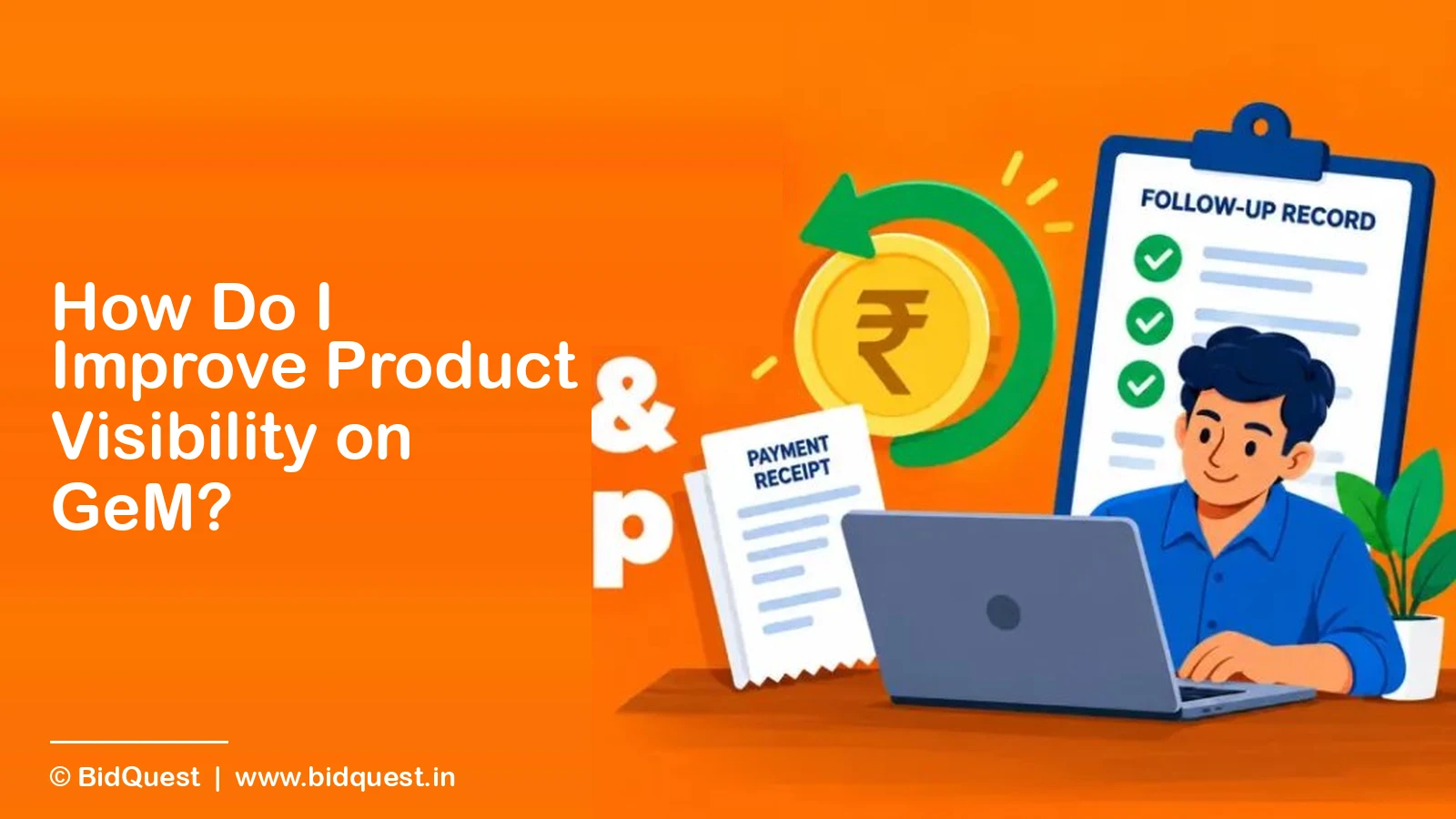
Treat a catalogue as an offer supported by actual product and supply information. Identify the model, configuration, brand, source and included accessories, then check the category's current requirements. A genuine certificate can still refer to a different entity or product variety. Likewise, a manufacturer's brochure does not establish a reseller's own financial or experience credentials. The review should show which party's record supports each statement rather than collect logos without explaining their relevance.
Keep listing information aligned with availability, delivery and support commitments. Use a controlled update process when suppliers, specifications or prices change and review existing bids and orders separately. Improving visibility should not mean entering a misleading category or overstating capabilities. Account and catalogue status need to be confirmed before a time-sensitive response, while the actual event's qualification conditions remain a further decision. Retain the approved product evidence for anyone responsible for dispatch or replacement.
A fictional reseller lists a familiar model but receives a supplier offer for a newer configuration. The team compares the specifications and support before changing the listing or preparing a bid. It does not assume that a similar name gives permission to supply the alternative under an existing order. The example demonstrates evidence control rather than certify compatibility, brand rights or the acceptability of a particular product on a live marketplace.
| Question | Evidence to review |
|---|---|
| Item identity | Exact model, configuration and relevant source |
| Seller role | Ownership, manufacture or authorised channel evidence |
| Listing status | Current category and platform review result |
| Delivery promise | Supported availability, warranty and service arrangement |
Escalate consequential product, intellectual-property or regulatory questions to competent owners. A clear supported description is more useful than a broad claim that the item is approved for every government buyer or that greater visibility guarantees orders.
Check the current catalogue status, category, brand and item attributes before assuming that absence from one search means the product is approved but being suppressed. Review visibility or validation messages and test relevant buyer-style search terms. A listing may be incomplete, pending review, inactive or mismatched to the query. Use official guidance or support for unresolved status questions. Do not make repeated misleading entries to chase visibility. Better product discovery should come from accurate classification and useful specifications, not from unsupported claims or keyword repetition. Keep the final objective in view: visibility is valuable only when it attracts buyers whose actual requirement the offered item can meet.
Use GeM's current permitted catalogue-update process and distinguish changing an available listing from changing a bid already submitted or an order already accepted. Those events can create different commitments. Review the applicable pricing conditions and preserve any required approval or update history. A supplier cost increase does not automatically authorise a higher price on an existing contract. Check which offers or orders may rely on the earlier rate before making a change. The business should maintain a clear record of what price applied to each commitment, rather than assume a dashboard edit retroactively changes every buyer transaction connected to the product.
Check the current seller and catalogue arrangements for the business's actual product and service activities. One account should not be assumed to confer universal permission or qualification merely because several catalogue options appear. Keep each offering accurately classified and supported by relevant authority, evidence and resources. A product warranty and a standalone maintenance service can create different obligations even when related to the same equipment. Review bidding conditions independently for each opportunity. Clear account ownership, internal approvals and capacity tracking help prevent the business from accepting incompatible commitments across categories while believing that a completed profile has resolved every operational requirement.
Set the listing price using the current platform's pricing instructions and the complete commercial obligation for the item. Identify what the displayed amount includes, such as relevant taxes, delivery, installation or support where required. Check sourcing validity and sustainable margin before publishing. A competitor's low number may describe a different configuration or commercial basis, so it is not automatically an appropriate benchmark. Keep internal cost calculations separate from the platform's permitted price entries. Do not promise a rate that depends on unconfirmed stock or an assumed later adjustment. Review the listing when a material input changes so the displayed offer remains deliverable.
For imported goods, check the current marketplace category and bid conditions, applicable import and product requirements, origin evidence and the seller's actual supply arrangement. Being allowed to list an item does not automatically resolve customs, regulatory or procurement-preference questions. Identify who imports, stocks, warrants and supports the offered model. Avoid representing an imported product as domestically manufactured or claiming local-content treatment without a justified basis. Include relevant logistics, duties and lead-time exposure in commercial review. The final offer needs an accurate product and source description, with any separate restrictions assessed through current authoritative material and the actual notice.
Whether an unbranded item can be listed depends on the current category rules and actual buyer requirements. Check the evidence needed to identify the manufacturer, product specifications and relevant quality or regulatory status. Unbranded should not mean untraceable or free of obligations. Do not adopt another entity's brand without authority, or describe an item as unbranded to avoid a genuine restriction. Establish how warranty, complaints and replacements will be handled by the contracting seller. A permissible listing still needs separate review against each bid's conditions, including any requirement for a particular source, certification or product identity that the offered goods must satisfy.
Confirm that the product is genuinely outside the current available category structure rather than using an unfamiliar description or brand name. Review the official process for category queries or additions and preserve the item specifications needed to explain the gap. Do not place the product in an unrelated category merely to generate a live listing. If a buyer has published a particular procurement route, read what participation and catalogue conditions actually apply to that event. A missing category and a missing brand are different problems. Resolve the relevant issue before committing resources against an assumption that the platform will approve a new arrangement by the deadline.
Update specifications through the current permitted catalogue process using genuine records for the actual model and configuration. Establish whether the change corrects an entry, reflects a new version or introduces a different product. Do not assume an edit can alter an already submitted offer or accepted order. Check affected commitments and approvals separately. Preserve the earlier listing and supporting evidence where required, so a later reviewer can understand what was offered at each point. A technically convenient specification should not replace a verified value merely to fit a buyer search. Consequential compatibility and compliance questions need appropriate competent review before the updated statement is approved.
Choose the category whose current definition and attributes genuinely describe the product, not the category that seems easiest to approve. Compare the item's function, configuration and required technical evidence with the available category specifications. If several options appear plausible, examine actual buyer requirements and use an official clarification route where necessary. Keep the reason for the choice with the source product record. A misleading category can produce irrelevant visibility and a bid that does not meet the actual procurement. Category selection helps organise discovery and listing; it does not itself establish equivalence to every specification or permission to omit a required attribute.
Follow the current official procedure for deleting or deactivating an offering, and check the effect on active bids, quotations and orders before proceeding. Removing visibility does not automatically release the seller from earlier commitments. Preserve relevant product, price and approval records for those transactions. If the reason concerns discontinued stock or a technical issue, identify which existing obligations need communication or an authorised resolution. Keep account authority clear when consultants manage catalogues. The practical aim is to prevent new unsupported offers while maintaining an accurate record of work already undertaken, rather than using a listing change to conceal a delivery problem or unresolved buyer claim.
These official resources are starting points for checking the applicable process. Confirm the current notice, attachments, corrigenda and portal instructions for your own opportunity. A general explanation cannot establish eligibility, an exemption or acceptance for a particular bid. Historical manuals and registration guides may differ from a current screen or contract.
Explore opportunities with BidQuest. Compare a suitable notice with your documented capability before committing money, approving a price or submitting a bid.
Department of Expenditure. Accessed 7 Nov 2026.
Government e Marketplace. Accessed 7 Nov 2026.
Learn how to read government tender documents in India: NIT, eligibility, technical specifications, BOQ, EMD, evaluation, corrigenda and submission checklist.
Read the guide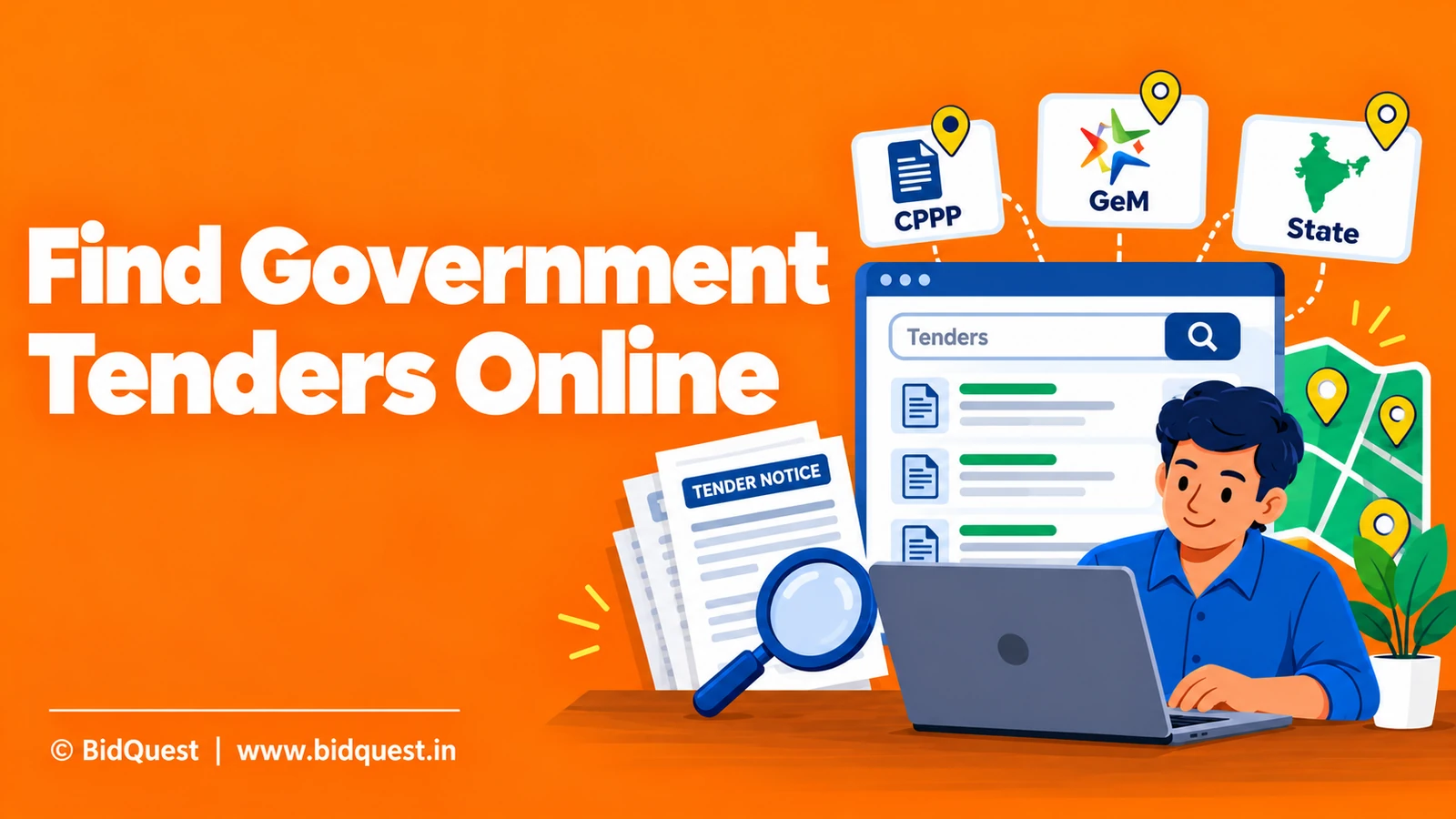
Learn how Indian MSMEs and contractors can find government tenders on CPPP, GeM and state portals, shortlist relevant notices and track corrigenda.
Read the guide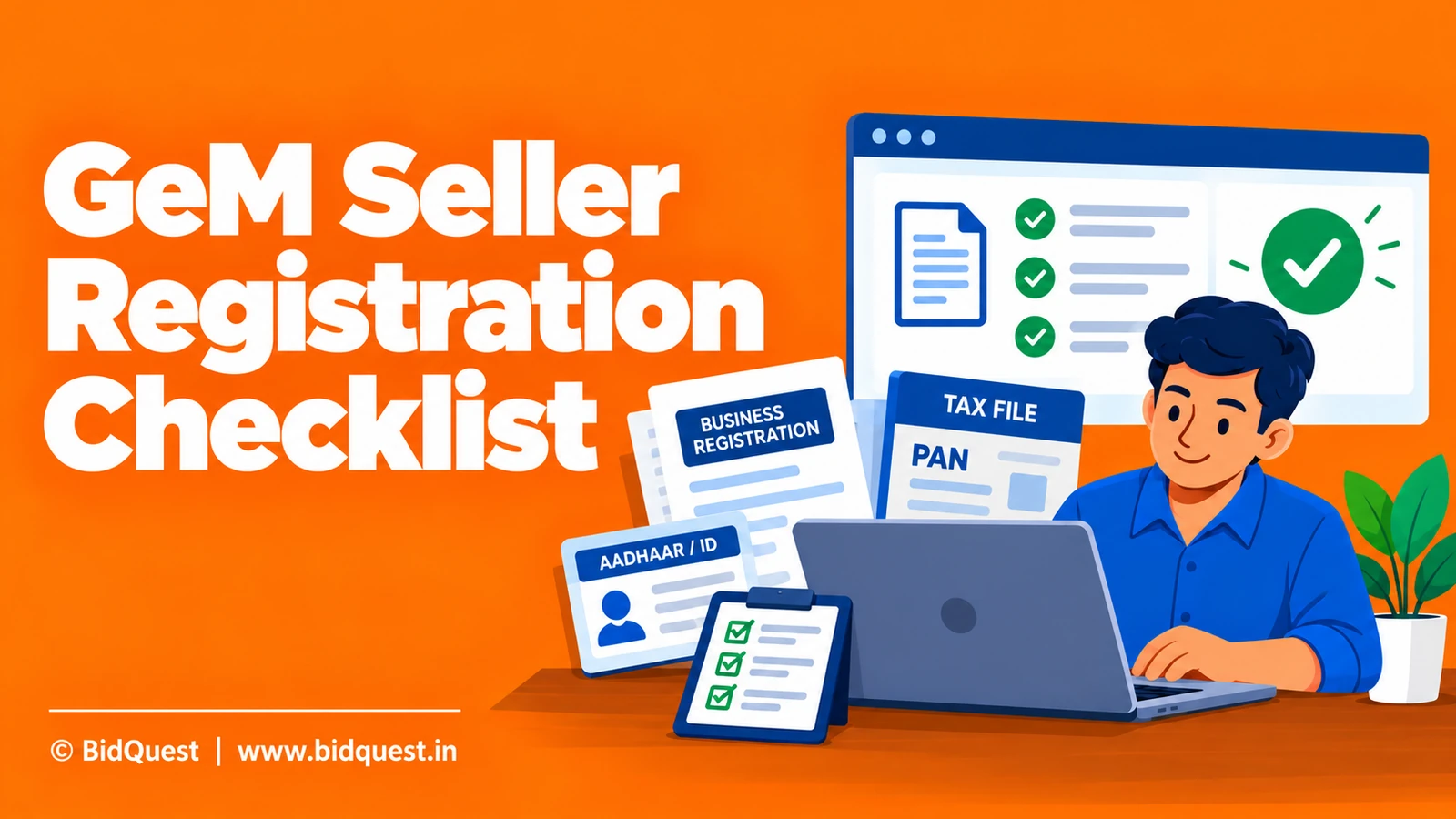
Prepare a GeM seller registration information checklist covering account ownership, business profile, tax details, authorised signatory and catalogue readiness.
Read the guide